Choosing the Best Yogurt Strainer: Top Tips for Homemade Yogurt
The Way to Make Restaurant-Quality Greek Yogurt With the Help of a Strainer
Preparing Greek yogurt at home offers a rewarding culinary experience. It provides control over ingredients and flavors, ensuring a product customized to personal preferences. The process begins with selecting quality milk and a yogurt starter. Understanding the steps involved is vital for achieving the desired thickness and taste. However, common pitfalls can occur during fermentation. Knowing how to navigate these challenges can make all the difference in creating a perfect batch.
Why You Should Make Greek Yogurt at Home?
Making Greek yogurt at home offers several benefits that resonate with health-conscious individuals. One key perk is the control over ingredients, allowing for the elimination of additives and preservatives often found in store-bought varieties. This guarantees a cleaner, more natural product customized for personal dietary preferences. Furthermore, the homemade option typically contains higher protein content, making it a wholesome alternative for those looking to increase their intake.
Another significant factor is cost-effectiveness; creating Greek yogurt at home can be considerably more economical than purchasing store-bought options. The simplicity of the process inspires experimentation with taste profiles and consistencies, enabling individuals to create custom varieties that fit their taste preferences. Furthermore, the satisfaction derived from crafting a staple food item can improve cooking expertise and promote a greater appreciation for clean eating. All in all, the merits of making Greek yogurt at home reach beyond nutritional benefits, promoting a mindful approach to food preparation.
Vital Components for DIY Greek Yogurt
Making homemade Greek yogurt calls for a few key ingredients that are both uncomplicated and easily accessible. The principal ingredient is milk, which can be full-fat, low-fat, or skim, based on personal preference for creaminess. Whole milk generally yields a richer texture, while low-fat options may yield a lighter yogurt.
Another vital ingredient is a yogurt starter, which contains live active cultures. This can be plain yogurt purchased from a store or a specialized yogurt starter culture purchased from health food stores. The starter is crucial for fermentation, supplying the necessary bacteria to transform the milk into yogurt.
In addition, a fine mesh strainer or cheesecloth is necessary for straining the yogurt, helping achieve the thick consistency characteristic of Greek yogurt. With these ingredients on hand, anyone can embark on the journey to create delicious homemade Greek yogurt.
How to Prepare Greek Yogurt: A Comprehensive Guide
During the making of Greek yogurt, comprehending the essential ingredients is vital for achieving the desired consistency and taste. The straining process plays an important role in transforming standard yogurt into its creamier counterpart. Additionally, proper storage guidelines make certain that the yogurt remains fresh and pleasant for an extended timeframe.
Necessary Ingredients For Yogurt
To properly make Greek yogurt, some essential ingredients are required. The primary ingredient is milk, which can be whole, reduced-fat, or skim, depending on the desired creaminess. The quality of the milk plays an important role in the final product. Next, a yogurt starter culture is necessary; this can be shop-bought yogurt with live active cultures or a specific yogurt starter. This culture is crucial for fermentation, as it introduces the beneficial bacteria essential for thickening the milk. Additionally, a thermometer is useful for measuring the temperature during the fermentation process. While optional, flavorings such as honey, vanilla, or fruit can elevate the yogurt's taste after it is made. With these ingredients, one can start preparing delicious Greek yogurt.
How the Straining Process Works
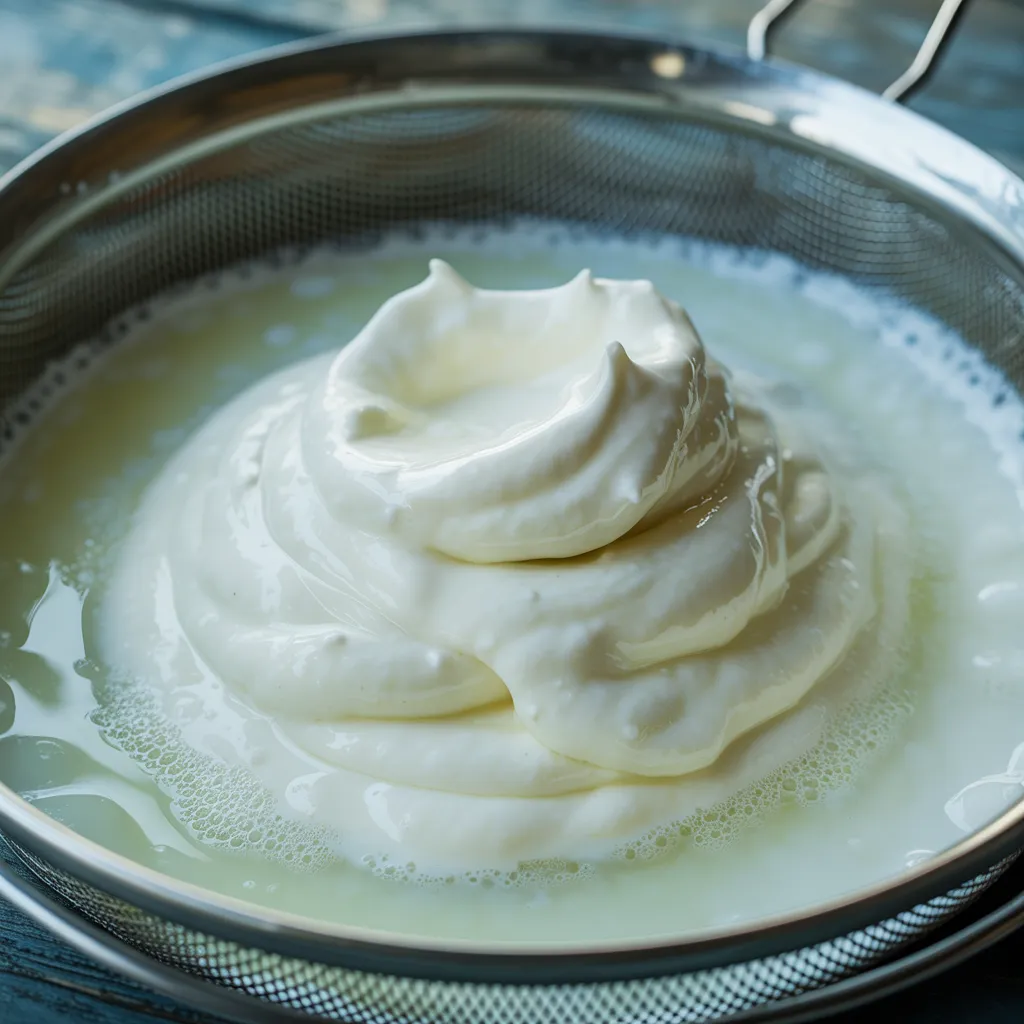
Once you've collected the needed ingredients, the straining process is a crucial step in achieving the thick, creamy texture characteristic of Greek yogurt. To commence, one must place a fine mesh strainer over a large bowl. A cheesecloth or coffee filter can be laid inside the strainer to catch the whey. Next, the yogurt is poured into the strainer, allowing the liquid to drip into the bowl below. This process can take a few hours, depending on the desired thickness. For a thicker consistency, yogurt should be left to strain longer, often overnight in the refrigerator. Once the straining is concluded, the resulting yogurt can be extracted from the cloth or filter, providing a rich and pleasing texture excellent for various uses.
Tips For Storing Yogurt
Appropriate storage is crucial to preserve the taste and quality of homemade Greek yogurt, guaranteeing it remains safe for consumption. After preparation, the yogurt should be put into an airtight container to minimize exposure to air and contaminants. It is best to refrigerate the yogurt immediately, as it should be stored at a temperature below 40°F (4°C). Homemade Greek yogurt typically lasts for about one to two weeks in the refrigerator. To prolong its shelf life, freezing is an option; however, the texture may change upon thawing. When serving, it is important to use clean utensils to avoid introducing bacteria. Labels with preparation dates can help track freshness and guarantee optimal quality during storage.
Flavoring Ideas for Your House-Made Greek Yogurt
What renders homemade Greek yogurt truly delightful is the vast array of flavoring choices that can elevate its taste. A simple addition of honey or maple syrup can bring natural sweetness, while vanilla extract delivers a pleasant aroma. For a fruity touch, fresh berries, sliced bananas, or a dollop of fruit preserves can improve both flavor and texture.
Savory enthusiasts might explore options like some sea salt, some olive oil, or a mixture of herbs such as mint or dill. Nuts and seeds, such as chia seeds or almonds, not only add crunch but also boost nutritional value.
Cocoa powder or matcha delivers a unique flavor profile, drawing in those who enjoy a decadent chocolate or earthy taste. At the end of the day, the options are constrained only by one's imagination, making each serving of Greek yogurt a tailored delight.
How to Handle Greek Yogurt That Won't Set Properly?
If your homemade Greek yogurt doesn't set as it should, this can be both confusing and frustrating for the home cook. Several factors may contribute to this issue. First, the temperature during fermentation should ideally be between 110°F to 115°F (43°C to 46°C). Should the temperature be too cold, the yogurt may not achieve the proper thickness.
Moreover, the quality of the starter culture is crucial; working with fresh, live cultures is crucial for correct fermentation. If the yogurt appears too runny, it may need more time to set.
One more factor is the kind of milk utilized; whole milk typically creates creamier yogurt in comparison to skim or low-fat milk.
Finally, check that the fermentation container is properly cleaned and devoid of contaminants that may hinder the process. By handling these factors, the yogurt maker can improve the likelihood of achieving that ideal, creamy consistency in their homemade Greek yogurt.
Proper Storage Methods for Homemade Greek Yogurt
Storing homemade Greek yogurt appropriately is essential to preserving its texture and flavor after fermentation. Once the yogurt has been processed, it should be transferred into an airtight container to avoid exposure to air, which can cause spoilage. A glass or plastic container with a tight-sealing lid is excellent for this purpose.
To ensure maximum freshness, homemade Greek yogurt can be refrigerated for up to two weeks. It is best to label the container with the preparation date for easy reference. For extended storage, yogurt can be frozen in smaller portions. Using ice cube trays or freezer-safe bags allows for easy thawing as needed.
When ready to consume, thaw the yogurt in the refrigerator overnight, and be aware that some separation may occur. A gentle stir can restore its creamy consistency. Following correct storage methods will improve the yogurt's quality and shelf life.
Popular Questions
Is Non-Dairy Milk Suitable for Making Greek Yogurt?
Certainly, dairy-free milk may be employed to create Greek yogurt, although the results may fluctuate. It usually requires particular cultures and techniques to achieve a comparable texture and flavor to classic yogurt.
How Long Will Homemade Greek Yogurt Stay Fresh in the Refrigerator?
Homemade Greek yogurt usually remains fresh in the refrigerator for one to two weeks when properly stored in an airtight container. Its quality may reduce over time, so consuming it sooner guarantees better flavor and consistency.
Is It Possible to Reuse Yogurt for New Batches?
You can indeed reuse yogurt as a starter for fresh batches. Employing important information a modest quantity of available yogurt can aid in introducing beneficial bacteria, guaranteeing effective fermentation in future homemade yogurt batches.
Can You Freeze Greek Yogurt for Future Use?
Absolutely, Greek yogurt can be frozen for future consumption. Nevertheless, its texture could alter upon thawing, becoming grainy. It remains safe for consumption and can still be utilized in smoothies or cooking.
Which Strainers Are Most Effective for Greek Yogurt Preparation?
Cheesecloth, fine mesh strainers, and muslin cloths are excellent for preparing Greek yogurt. They successfully extract whey from yogurt, creating a denser texture. Each option provides varying levels of filtration, tailored to personal preference.